
Condition
Peripheral Neuropathy
Numbness, tingling, or burning in your feet or hands — often worse at night.
What is peripheral neuropathy?
A nerve condition with many causes — and many faces.
Peripheral neuropathy happens when the nerves outside your brain and spinal cord are damaged, irritated, or not receiving the blood flow and nutrients they need. It most often affects the feet and hands, causing burning, numbness, tingling, weakness, or balance problems. Because there are many causes, care starts with identifying what kind you have.
- Diabetic or pre-diabetic neuropathy — burning, tingling, or numbness in the feet and hands
- Chemotherapy-induced peripheral neuropathy (CIPN) — nerve symptoms after cancer care
- Idiopathic neuropathy — symptoms without a clear cause on standard testing
- Autoimmune-related neuropathy — nerve irritation from inflammatory conditions
- B12, vitamin, or nutritional-deficiency neuropathy
- Alcohol- or toxin-related neuropathy from long-term exposure
- Compressive or entrapment neuropathy — carpal tunnel, tarsal tunnel, or pinched nerves
- Small-fiber vs. large-fiber neuropathy — affecting sensation, balance, or muscle control
- Hereditary neuropathy — nerve changes passed through family history

Is neuropathy relief safe for seniors?
Absolutely. Our neuropathy care is non-invasive, drug-free, and well suited to older adults. Many of our Roseville and Twin Cities patients are active seniors who want to maintain their independence and keep enjoying the activities they love — walking, golfing, boating, and time with family — safely.
Contributing factors
What can contribute to peripheral neuropathy.
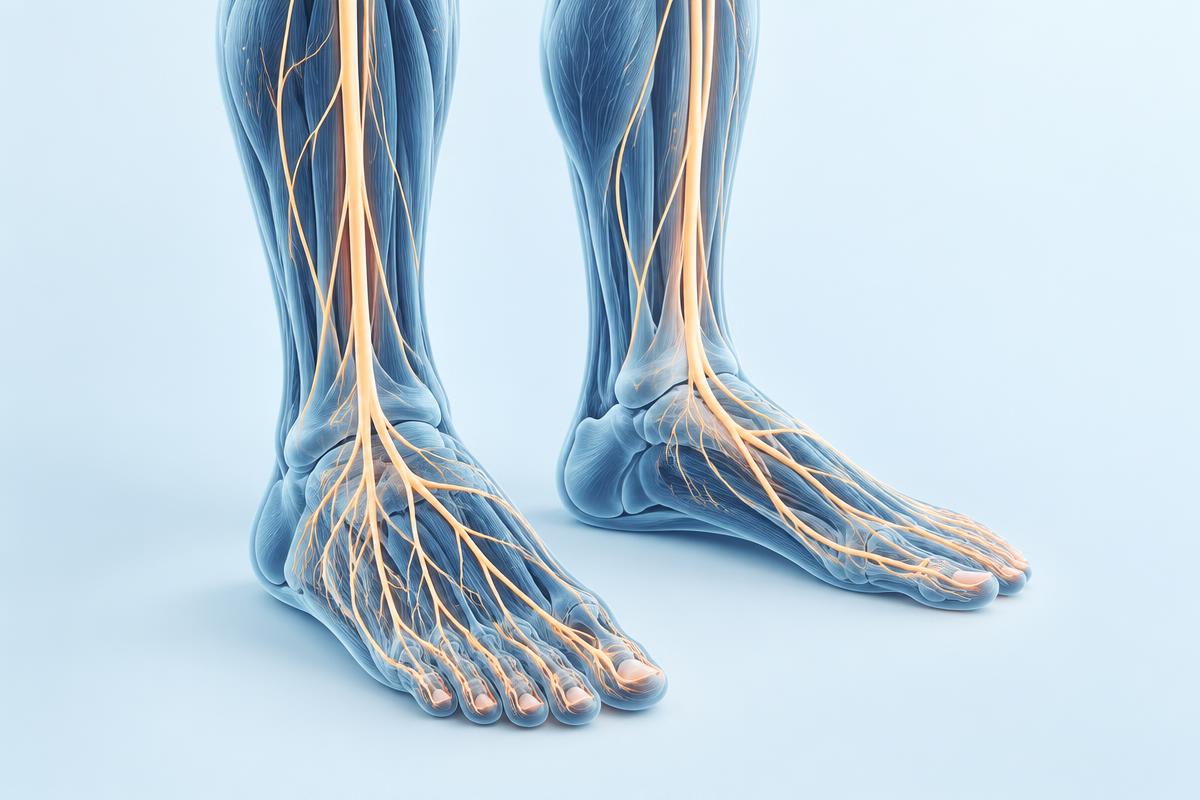
Common underlying factors
- Diabetes and blood sugar imbalances
- Poor circulation to the small nerves of the feet and hands
- Nerve compression from spinal misalignment
- Chemotherapy or medication side effects
- Vitamin B12 and other nutritional deficiencies
- Autoimmune and inflammatory conditions
Peripheral neuropathy is rarely only a nerve problem — circulation, metabolic factors, and nerve signaling are usually involved at the same time. When care targets symptoms alone, those underlying factors are left in place, which is why an individualized evaluation matters.
The Platinum Health Approach
How Dr. Stuckey, D.C. approaches peripheral neuropathy.
Dr. Stuckey, D.C. uses a multi-modal protocol that may combine targeted electrotherapy, light-based nerve stimulation, circulation support, high-frequency vibration therapy, and personalized metabolic guidance — designed to support blood flow to small nerves and support healthier nerve signaling without drugs or surgery.
Dr. Troy Stuckey, Doctor of Chiropractic
Founder, Platinum Health Solutions
In their own words
What a patient with peripheral neuropathy had to say.
I'd given up on feeling my feet again. After three months with Dr. Stuckey, D.C., I'm sleeping through the night and walking the dog without watching every step.
Individual results vary. No outcome can be guaranteed. Testimonials represent individual patient experiences.
Common questions
Ready to find out if we can help?
Request a free consultation. We'll review your history, answer your questions, and let you know whether our care may be appropriate for you.